Discover Gigio's
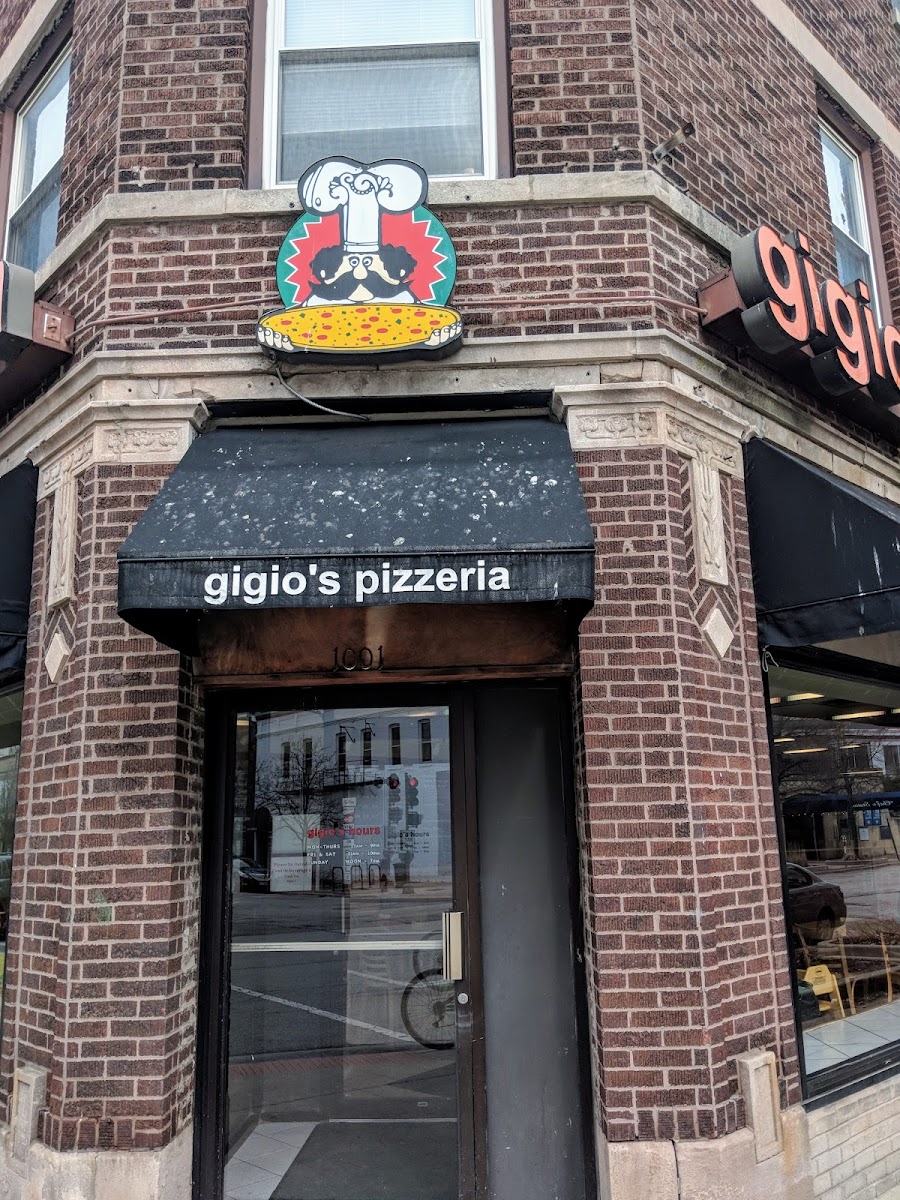
The first time I walked into Gigio's at 1001 Davis St, Evanston, IL 60201, United States, I wasn’t expecting much more than a quick slice before a Northwestern lecture. Ten minutes later I was elbow-deep in a thin-crust pie while chatting with a server who’d been there since the late ’90s. That kind of staff retention says more about a diner than any marketing ever could.
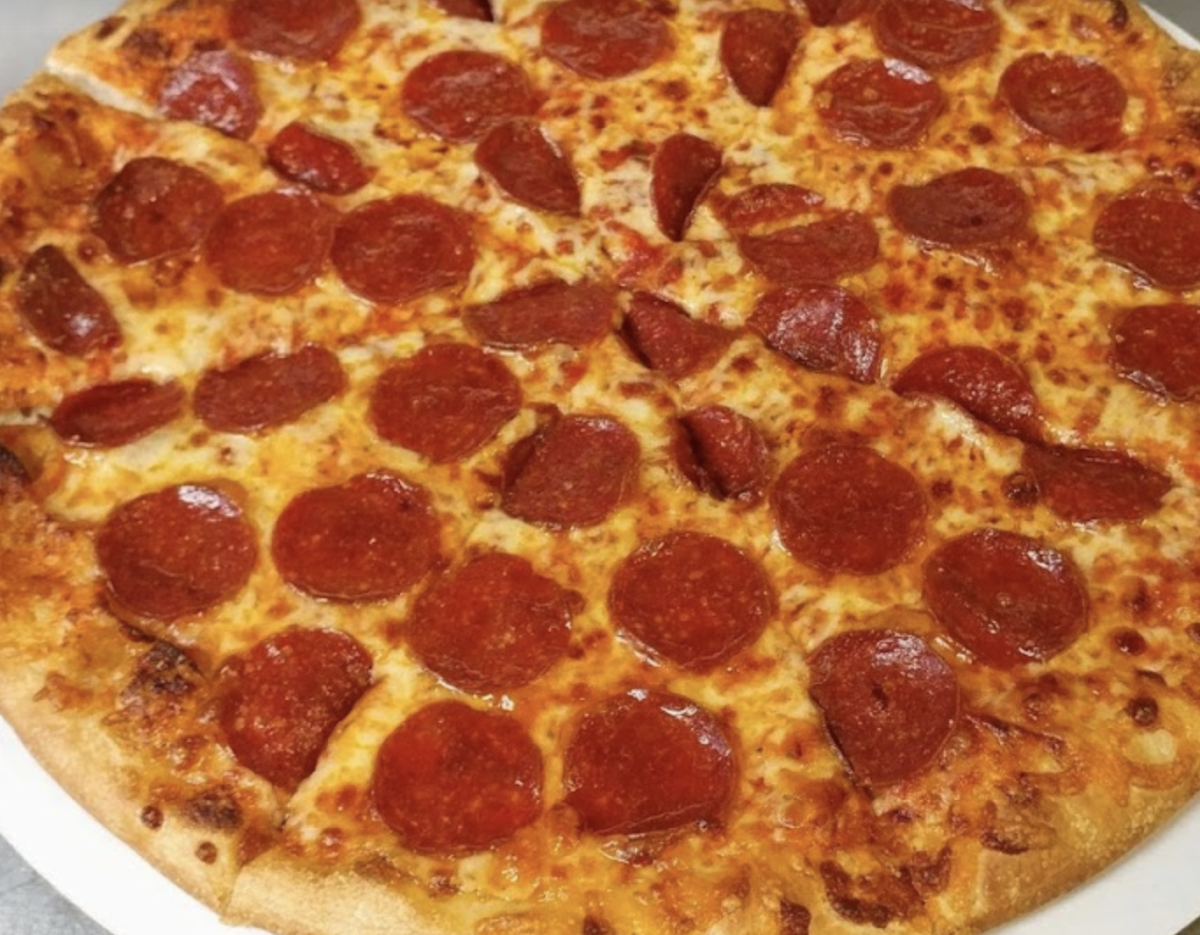
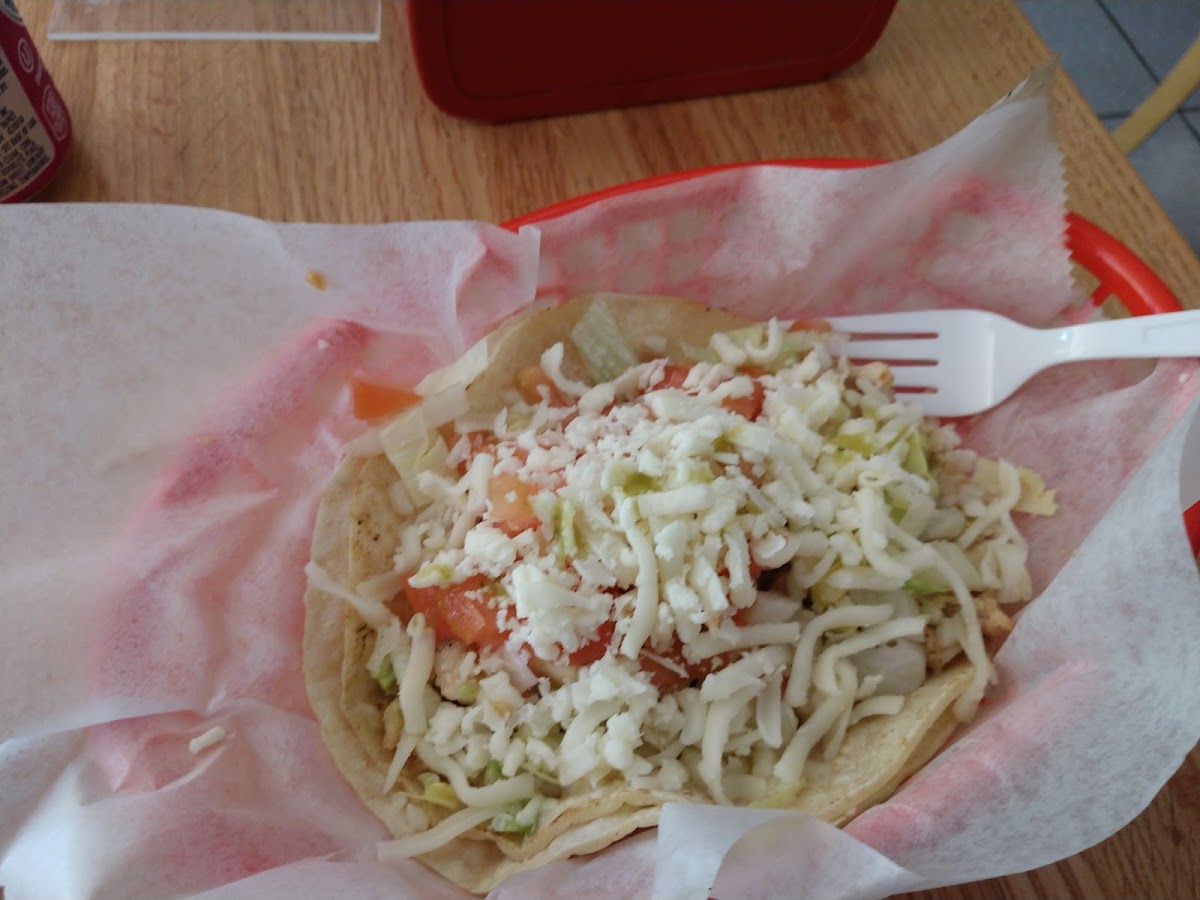
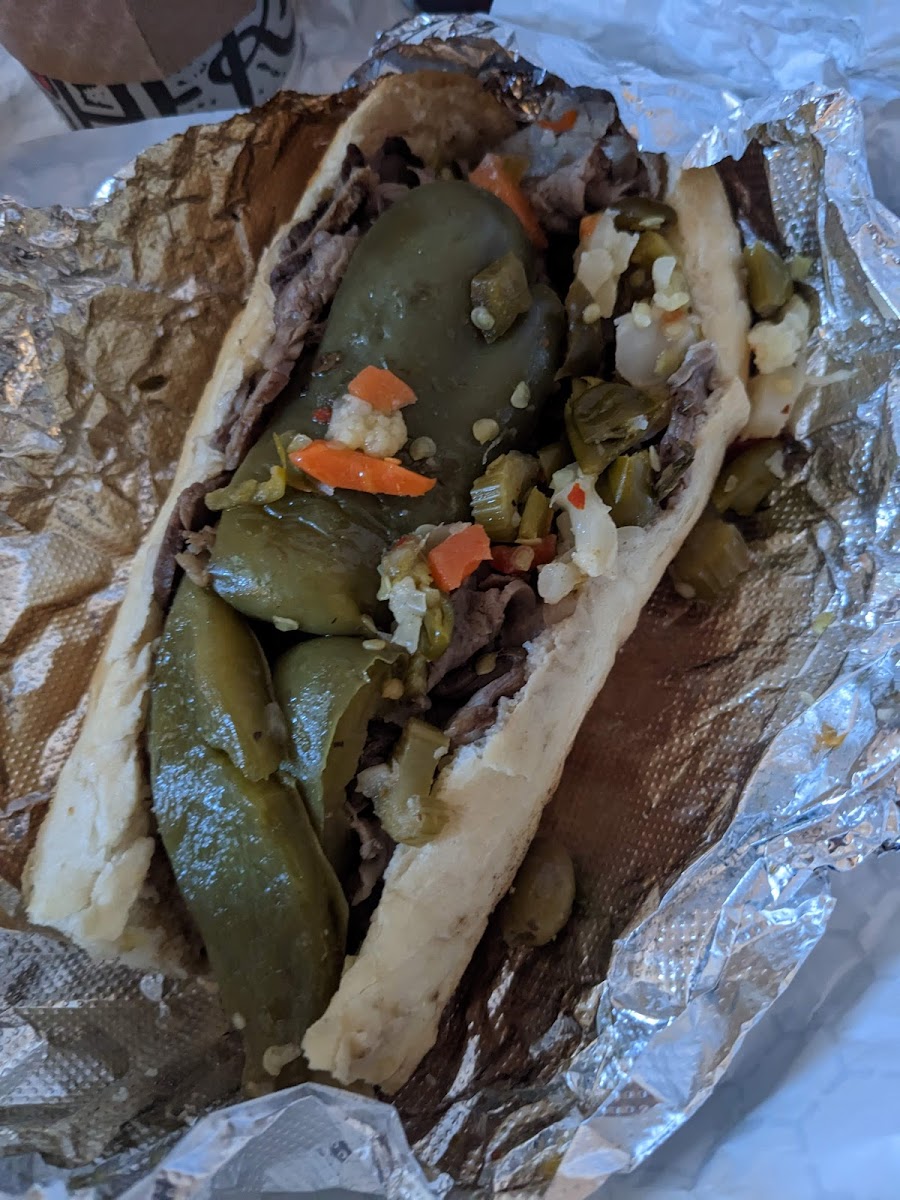
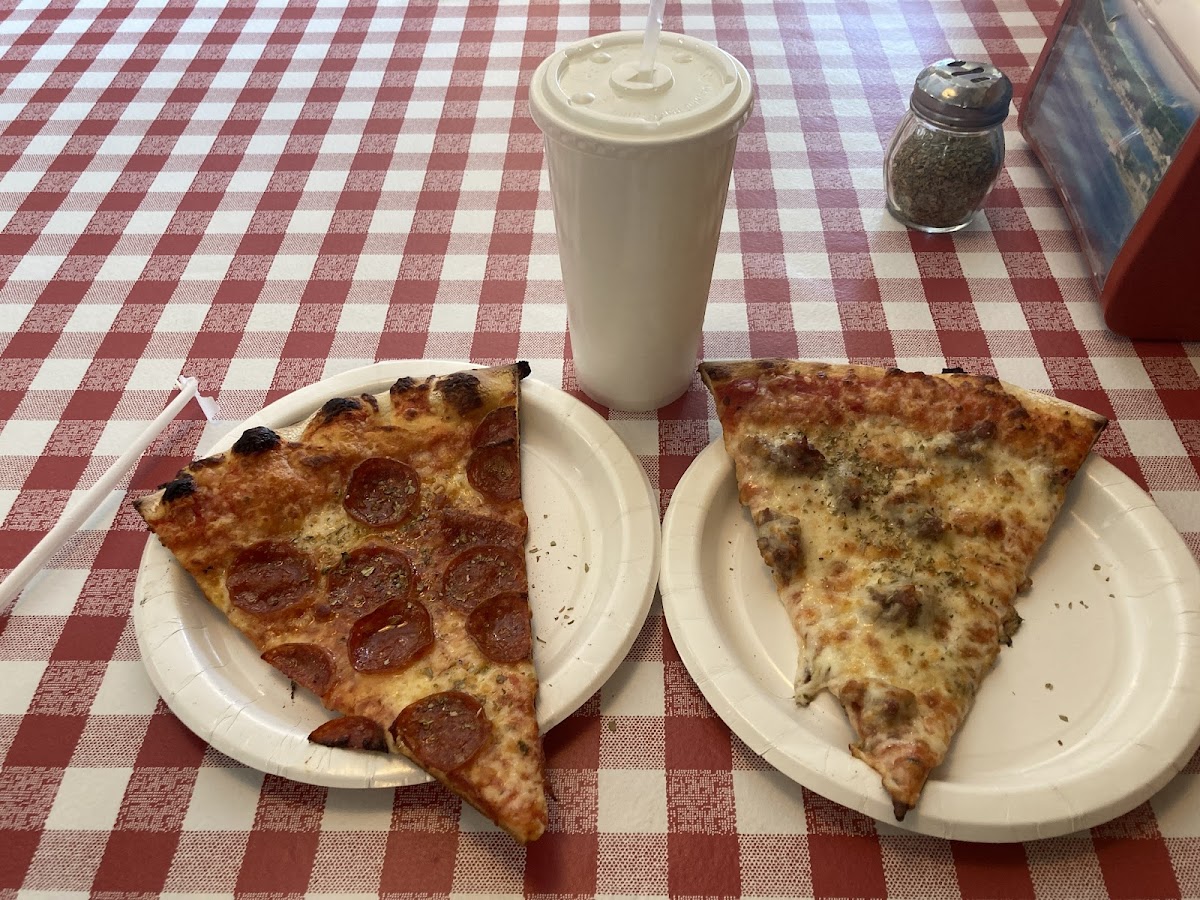
Their menu reads like a greatest-hits album of Chicago comfort food. You’ve got pizza, pasta, grinders, wings, salads, and those oversized calzones that show up on almost every online review. What keeps people coming back isn’t novelty; it’s consistency. According to data from the National Restaurant Association, nearly 7 in 10 diners choose restaurants based on familiarity and reliability, not trends. That stat hits home here, because every time I’ve ordered their sausage and giardiniera pizza, it tastes the same as it did a decade ago.
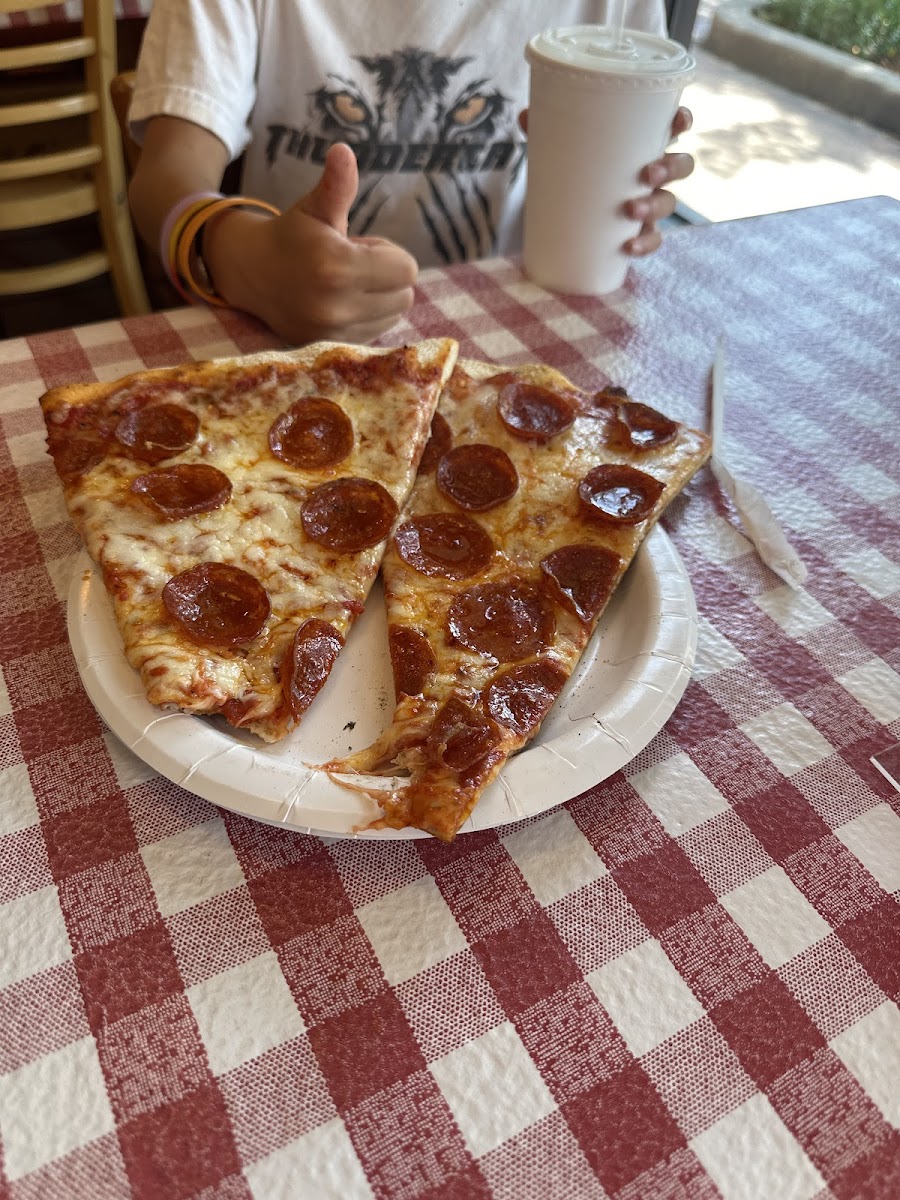
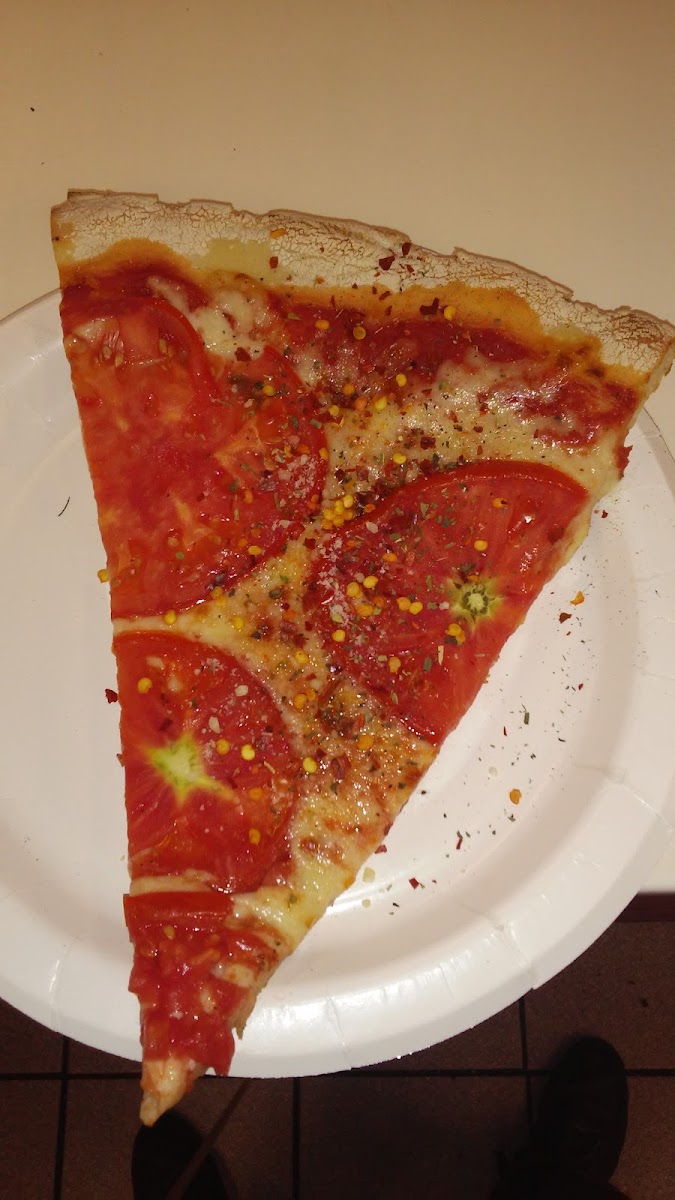
A buddy of mine ran a small food blog in Evanston and once did a side-by-side comparison of local slice shops. He timed delivery windows, weighed crust thickness, and even measured grease absorption with paper towels. His not-so-scientific case study showed Gigio’s slices staying crisp nearly five minutes longer than competitors, which he credited to the high-heat deck ovens they use. That method lines up with techniques recommended by the American Institute of Baking, which notes that consistent high-temperature baking improves crust structure and moisture control.
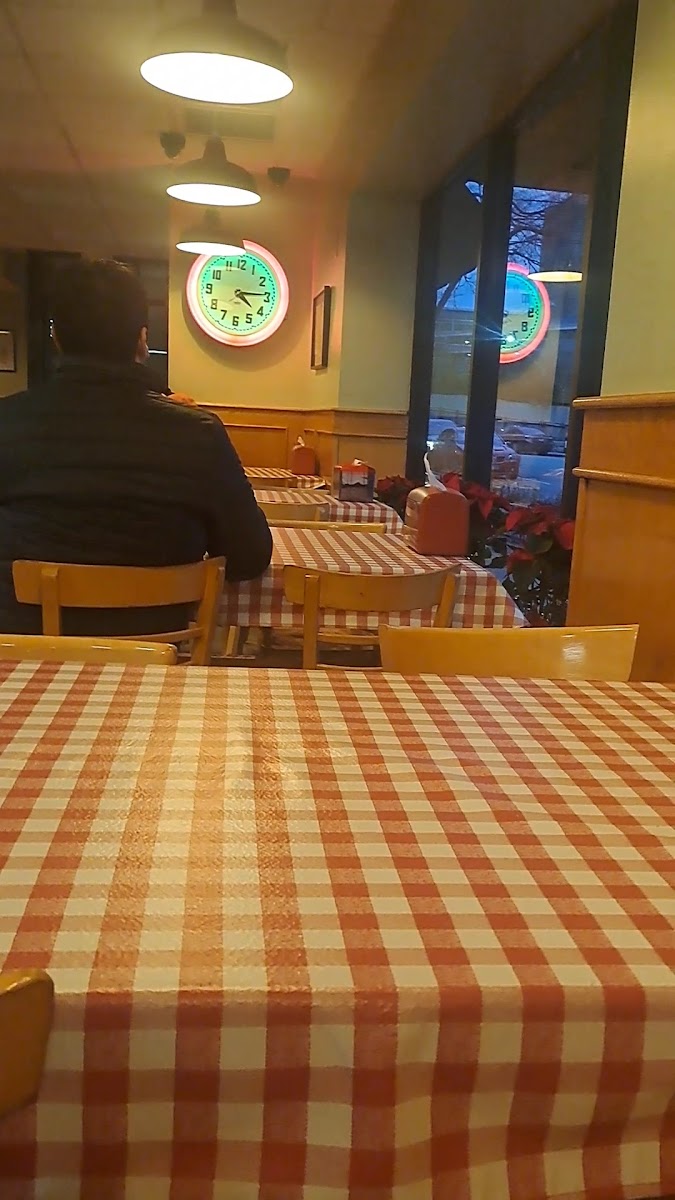
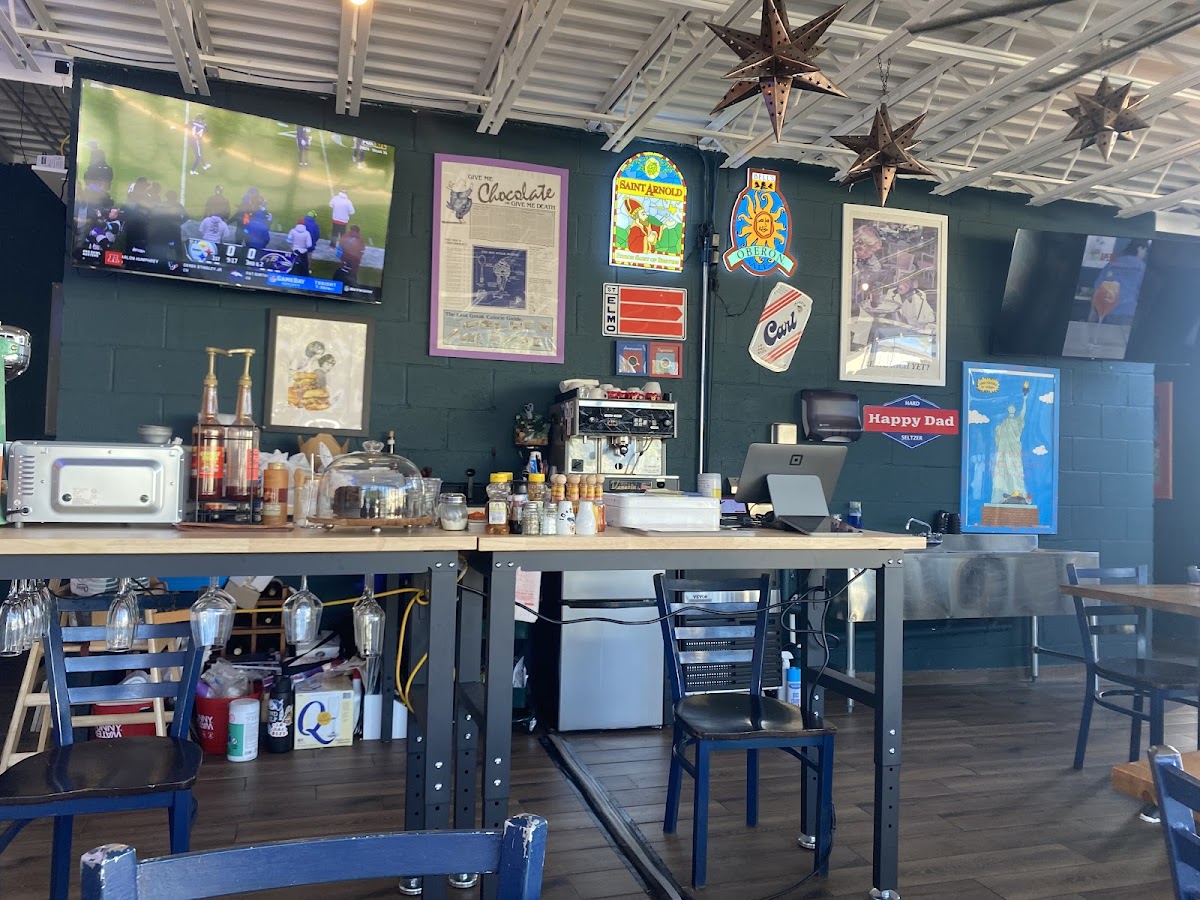
If you’re eating in, the process is refreshingly old school. You order at the counter, grab a number, and the kitchen shouts your name when your tray is ready. I once watched the crew on a Friday night push out more than 40 pizzas in under an hour without missing toppings or overcooking a single one. That kind of throughput usually requires a rigid workflow: dough made early in the day, portioned and cold-fermented, sauce ladled in measured scoops, cheese weighed instead of eyeballed. It’s not glamorous, but it’s how you avoid mistakes when the line stretches to the door.
The locations around Chicago share the same DNA, but the Evanston spot has its own rhythm thanks to students, families, and late-night theater crowds. On Yelp and Google, you’ll notice reviews mentioning friendly counter staff, generous portions, and the fact that you can customize just about anything. I once swapped out mozzarella for provolone on a baked mostaccioli dish and the cook came out to double-check the order rather than guess. That little moment of care builds trust faster than flashy décor ever will.
Food safety isn’t something diners talk about much, yet it matters. The Centers for Disease Control and Prevention estimate that one in six Americans gets sick from foodborne illnesses each year. I’ve never had a single issue here, and Illinois health inspection records consistently show this location meeting sanitation standards. Still, no restaurant is perfect, and during peak hours the small dining area can feel cramped, which sometimes slows table turnover.
Prices land in that sweet spot where you don’t need a calculator to split the bill. You can feed two people with pizza, wings, and drinks for less than what a single entrée costs at some downtown spots. That value factor explains why so many Northwestern students treat it as their unofficial cafeteria.
The real magic, though, is how the place blends into daily life. I’ve bumped into professors grading papers over meatball subs, parents grabbing takeout after soccer practice, and even a retired chef who told me he keeps coming back because the sauce reminds him of the one his grandmother used to make in Pilsen. When a diner becomes that woven into a neighborhood, the food stops being just food and turns into memory.